(Slow) progress towards real outcomes for libraries at WIPO SCCR
19 December 2025
There are positive signs of a readiness to talk about outputs from long-running discussions about copyright exceptions and limitations for libraries at the World Intellectual Property Organization. Nonetheless, questions remain about final formats and prioritisation.
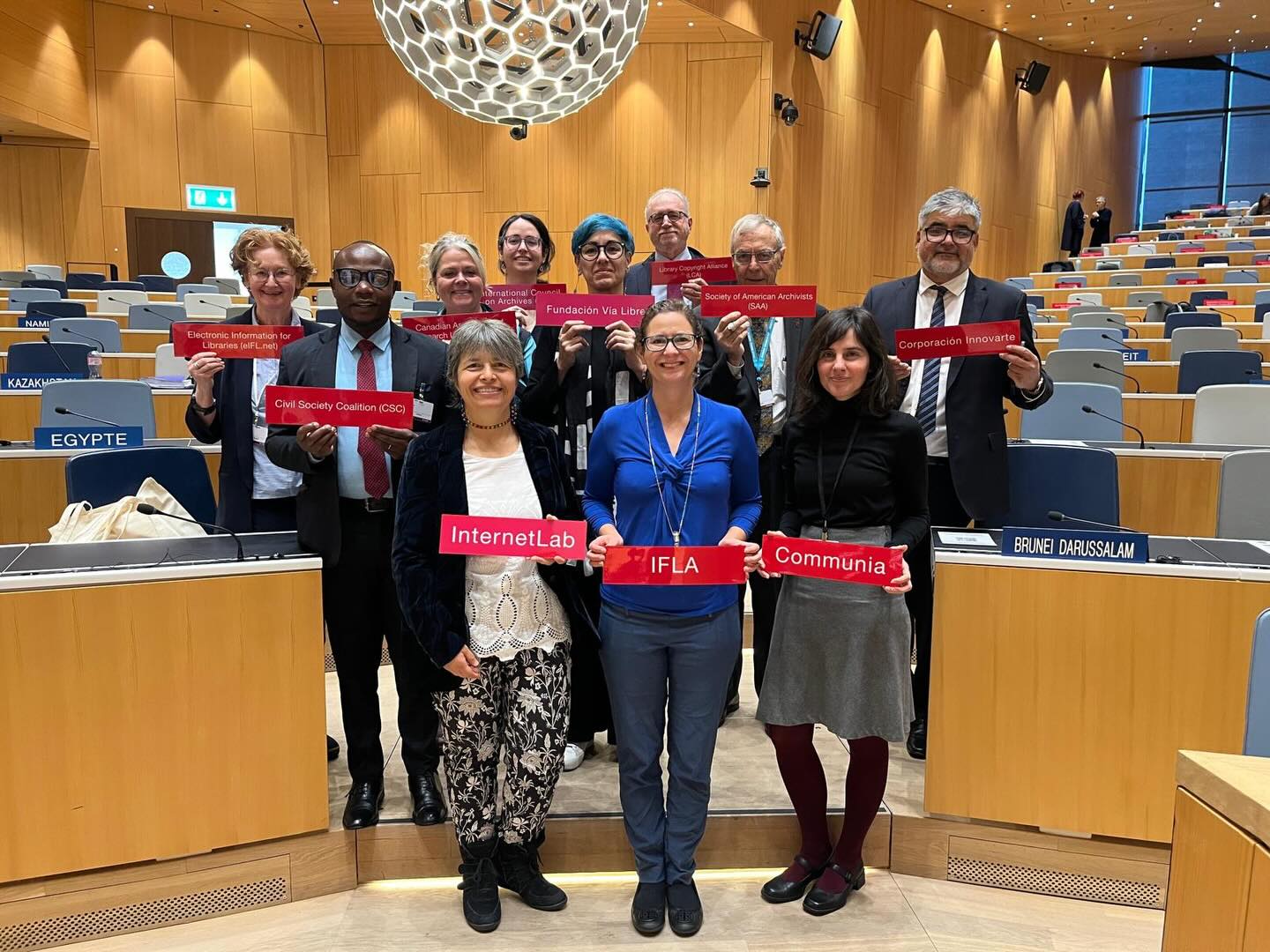
The 47th session of the World Intellectual Property Organization’s Standing Committee on Copyright and Related Rights took place on 1-5 December in Geneva, Switzerland. IFLA was once again present in the shape of our Head of WIPO Delegation, Sara Benson.
Signs of progress
For the first time in a long time, the Committee had a variety of substantive proposals on the table designed to facilitate work to some sort of outcome from its many years of work on limitations and exceptions.
In addition to a set of high-level ‘Objectives and Principles’ from the US, the Chair had proposed a roadmap, and the African Group had put forwards a text as a basis for future discussion.
This is a significant step, indicating the potential to move up a gear in the Committee’s work. In parallel the debates over the week showed signs of a greater readiness to talk about substance.
Nonetheless, these are discussions that will need to continue into future meetings, with ongoing areas of disagreement, both around the overall end goal (‘soft law’ or a full Treaty), and about the right starting point.
What works for libraries
On the first point, we have a clear preference for ‘hard law’, given the greater encouragement this provides to governments to advance change, as well as to be incorporated into other texts such as trade deals. As we have seen with the Marrakesh Treaty, this can be a real catalyst for reform.
Nonetheless, softer measures such as recommendations or model laws can be a useful intermediate step. They can become key references, shaping the advice WIPO offers governments directly, and supporting advocacy by libraries and library associations.
A key difference appears rather to be around prioritisation, with some arguing that work should start with discussion around preservation, and others wanting rather to look at a wider agenda around education and research.
Clearly, all of these issues matter for libraries, and so the operational question is rather one of what will best enable process. IFLA has underlined – and continued to do so at this meeting – that we cannot however deal with preservation in isolation, but rather ensure that any steps here also cover the possibilities for access and subsequent use. The risk otherwise is of creating dark archives until materials enter the public domain.
Looking ahead
In parallel, we are looking forward to receiving a public draft of a proposed WIPO toolkit on Access to library, archive and museum collections, parallelling the existing toolkit on preservation. This promises to offer a helpful overview of the different options open to legislators when designing laws around copyright and libraries.
Outside of this, we look forward to sharing further information about our engagement in WIPO in the new year, and providing members with relevant materials to engage their own copyright offices.